Noémi Győri & Maksim Štšura • Lossimuusika
Sunday, November 16, 2025 at 6 p.m.
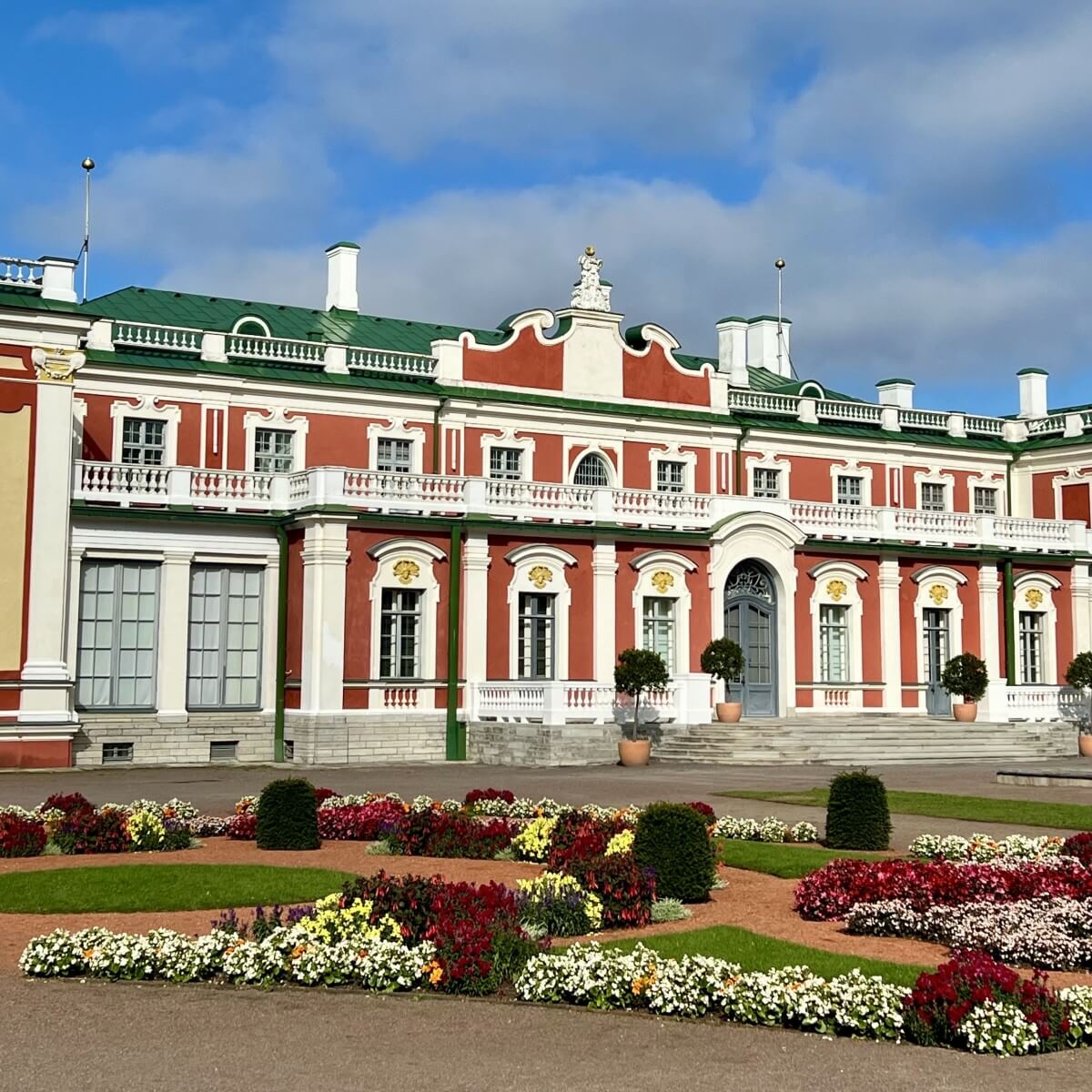
Kadriorg Palace / Kadriorg Art Museum, Tallinn
PALACE MUSIC
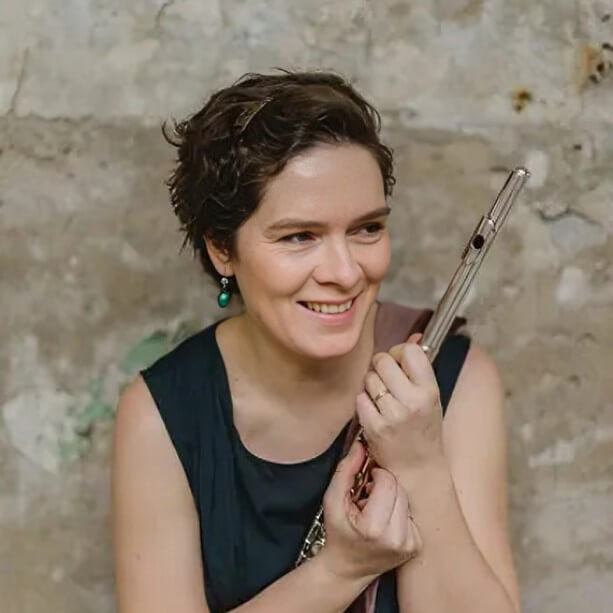
Noémi Győri - flute (Hungary)
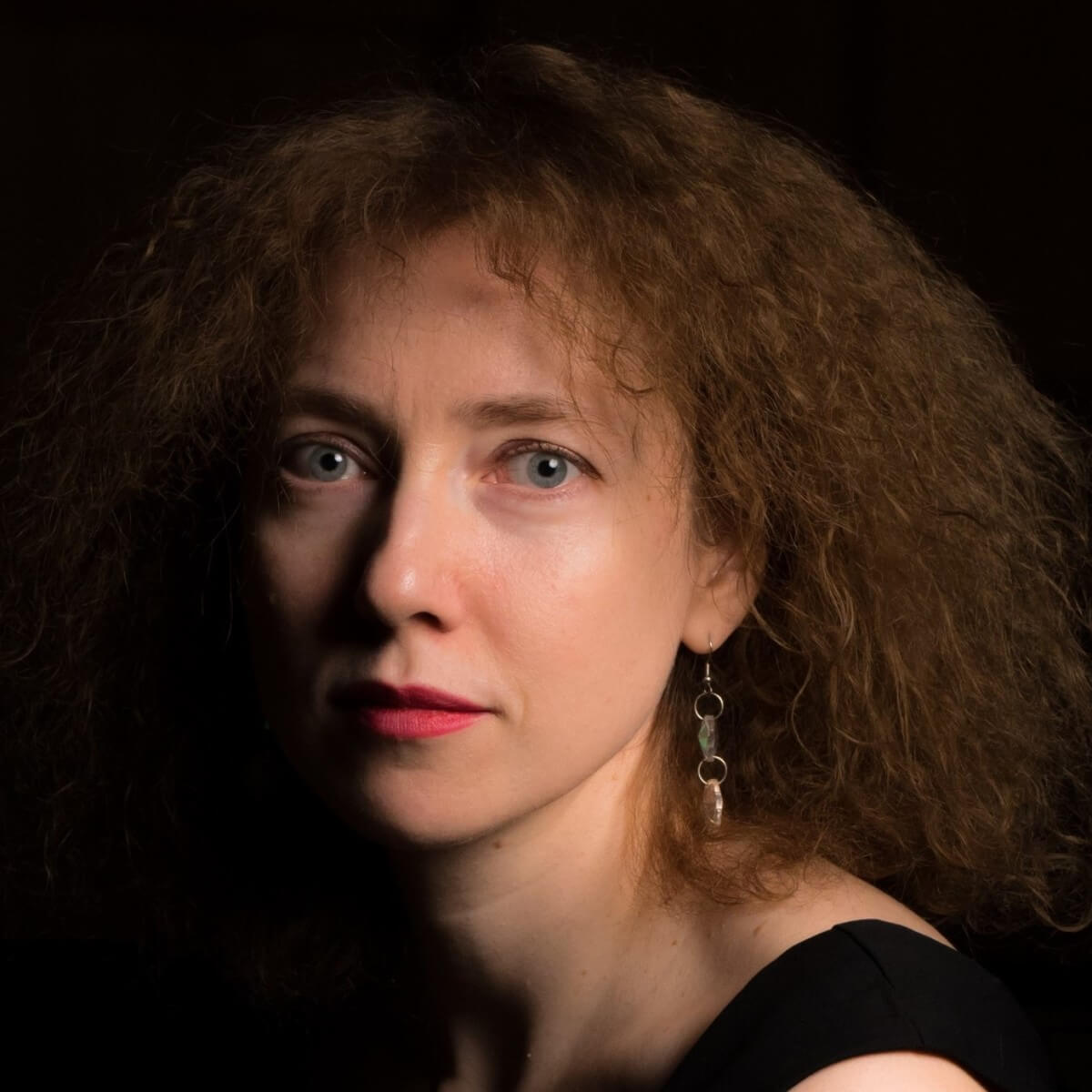
Maksim Štšura - piano
Program:
Arvo Pärt (b. 1935)
"Estländler" for flute solo
Claude Debussy (1862-1918)
"L’après-midi d’un faune" for flute & piano (1894)
Jules Mouquet (1867-1946)
"La flûte de Pan", Sonata for flute and piano, Op. 15
Allegro giocoso
Adagio
Allegro molto vivace
Arvo Pärt
Partita Op. 2 for piano solo (1958)
Toccatina (attacca)
Fughetta
Larghetto (attacca)
Ostinato
Max Meyer-Olbersleben (1850-1927)
"Fantaisie-Sonate" for flute & piano
Lebhaft
Ständchen
Bacchanale
In cooperation with Liszt Institute – Hungarian Cultural Center Tallinn
Claude Debussy (1862-1918) was a French composer. He is sometimes seen as the first Impressionist composer, although he vigorously rejected the term. He was among the most influential composers of the late 19th and early 20th centuries.
Born to a family of modest means and little cultural involvement, Debussy showed enough musical talent to be admitted at the age of ten to France's leading music college, the Conservatoire de Paris. He originally studied the piano, but found his vocation in innovative composition, despite the disapproval of the Conservatoire's conservative professors. He took many years to develop his mature style, and was nearly 40 when he achieved international fame in 1902 with the only opera he completed, Pelléas et Mélisande.
Debussy's orchestral works include Prélude à l'après-midi d'un faune (1894), Nocturnes (1897–1899) and Images (1905–1912). His music was to a considerable extent a reaction against Wagner and the German musical tradition. He regarded the classical symphony as obsolete and sought an alternative in his "symphonic sketches", La mer (1903–1905). His piano works include sets of 24 Préludes and 12 Études. Throughout his career he wrote mélodies based on a wide variety of poetry, including his own. He was greatly influenced by the Symbolist poetic movement of the later 19th century. A small number of works, including the early La Damoiselle élue and the late Le Martyre de saint Sébastien have important parts for chorus. In his final years, he focused on chamber music, completing three of six planned sonatas for different combinations of instruments.
With early influences including Russian and Far Eastern music and works by Chopin, Debussy developed his own style of harmony and orchestral colouring, derided – and unsuccessfully resisted – by much of the musical establishment of the day. His works have strongly influenced a wide range of composers including Béla Bartók, Igor Stravinsky, George Gershwin, Olivier Messiaen, George Benjamin, and the jazz pianist and composer Bill Evans. Debussy died from cancer at his home in Paris at the age of 55 after a composing career of a little more than 30 years.
Arvo Pärt (b. 1935) is an Estonian composer of contemporary classical music. Since the late 1970s, Pärt has worked in a minimalist style that employs tintinnabuli, a compositional technique he invented. Pärt's music is in part inspired by Gregorian chant. His most performed works include Fratres (1977), Spiegel im Spiegel (1978), and Für Alina (1976). From 2011 to 2018, and again in 2022, Pärt was the most performed living composer in the world, and the second most performed in 2019, after John Williams. The Arvo Pärt Centre, in Laulasmaa, was opened to the public in 2018.
Similar to the piano piece Für Anna Maria, the solo flute miniature Estländler was also ‘commissioned’ by a young girl who was studying flute at the time. It was completed for the birthday of a girl called Frauke, an elementary school classmate of the composer’s older son Immanuel. The piece found its final and more developed form in 2006, for a sheet music collection for solo flute titled Flute Project and published by Universal Edition in 2007. The collection was initiated by four flutists from four prestigious orchestras (Concertgebouw Orchestra, Chicago Symphony Orchestra, Berlin Philharmonic Orchestra and the Tokyo Philharmonic Orchestra). In cooperation with Universal Edition, solo flute compositions were commissioned from five different composers. A new version of the piece, for solo violin, dates from 2009 and was published by Universal Edition’s similar collection for solo violin.
The work has received its title and dance-like character in ¾ meter from the Austrian folk dance, Ländler, but with the play on words – Est and Länd(l)er – the composer makes a reference to his homeland Estonia (or Estland, in German).
The Partita (1958), created in the first year at the conservatory, belongs, along with two sonatinas, to the earliest concert works in Pärt's catalogue. With these works, the young composer reached a wider audience, primarily thanks to the renowned pianist Professor Bruno Lukin, who gave Pärt's music high praise by including them in his repertoire, and to whom all three piano works are dedicated.
Max Meyer-Olbersleben (1850-1927) was a German composer and pianist. He studied with Carl Müllerhartung and Franz Liszt at the Weimar Orchestra School, and with Josef Rheinberger, Franz Wüllner, and Peter Cornelius at the Munich Conservatory. After graduation, he became Professor of piano and theory in Weimar. Later, he was Professor of counterpoint and composition at the Bavarian State Conservatory of Music in Würzburg, and became its director from 1907 to 1920. Some notable students were Adolf Sandberger, Heinrich Steinbeck, Bernard Homola and Marc Roland. In addition, he conducted the Würzburg Liedertafel from 1879 and was Court Kapellmeister of Prince-Bishop of Würzburg. Meyer-Olberleben became known primarily as a composer of songs and choral works.
Albert Franz Doppler (1821-1883) was a flute virtuoso and a composer best known for his flute music. He also wrote one German and several Hungarian operas for Budapest, all produced with great success. His ballet music was popular during his lifetime.
Doppler was born in Lemberg (Austrian Empire), now Lviv, Ukraine. From 1828 to 1831, he received flute lessons from his father, Joseph Doppler, who was an oboist, and made his debut as a flautist at the age of 13. He formed a flute duo with his brother Karl, four years younger, who mainly wrote songs and incidental music, and as a duo they caused quite a sensation throughout Europe. They toured and both became members of the orchestra of the German Theatre, Budapest, in 1838 and both moved to the Hungarian National Theatre in 1841. There, five of Franz's operas were staged with success. Franz and Karl continued to make regular tours of Europe and helped found the Hungarian Philharmonic Orchestra in 1853. At the age of 18 Franz was the first flautist at the opera in Budapest, and he went on to be the first flautist and stand-in conductor and eventually chief conductor, of the Vienna Court Opera, as well as acquiring a position of Professor of Flute in the Vienna Conservatoire from 1864 until 1867. He died at Baden bei Wien, Austria.
Doppler composed chiefly for the flute, as well as opera (a style that is prominent even in his showpieces for flute), composing many pieces including concertos, showpieces, and many flute duets, to be played by himself and his brother Karl. His music contains aspects of Russian and Hungarian music. His operas included Judith (his only German opera), and a Russian work entitled Benyovsky. He wrote seven operas and fifteen ballets in total, which were popular in their time, and was a brilliant orchestrator.
He is also known for the orchestral arrangements of six of Franz Liszt's Hungarian Rhapsodies published under his name. He was a student of Liszt, and Liszt set Doppler the exercise of orchestrating six Rhapsodies. Every single bar of these orchestrations was revised by Liszt upon publication, but he allowed Doppler's name to remain on the title page.
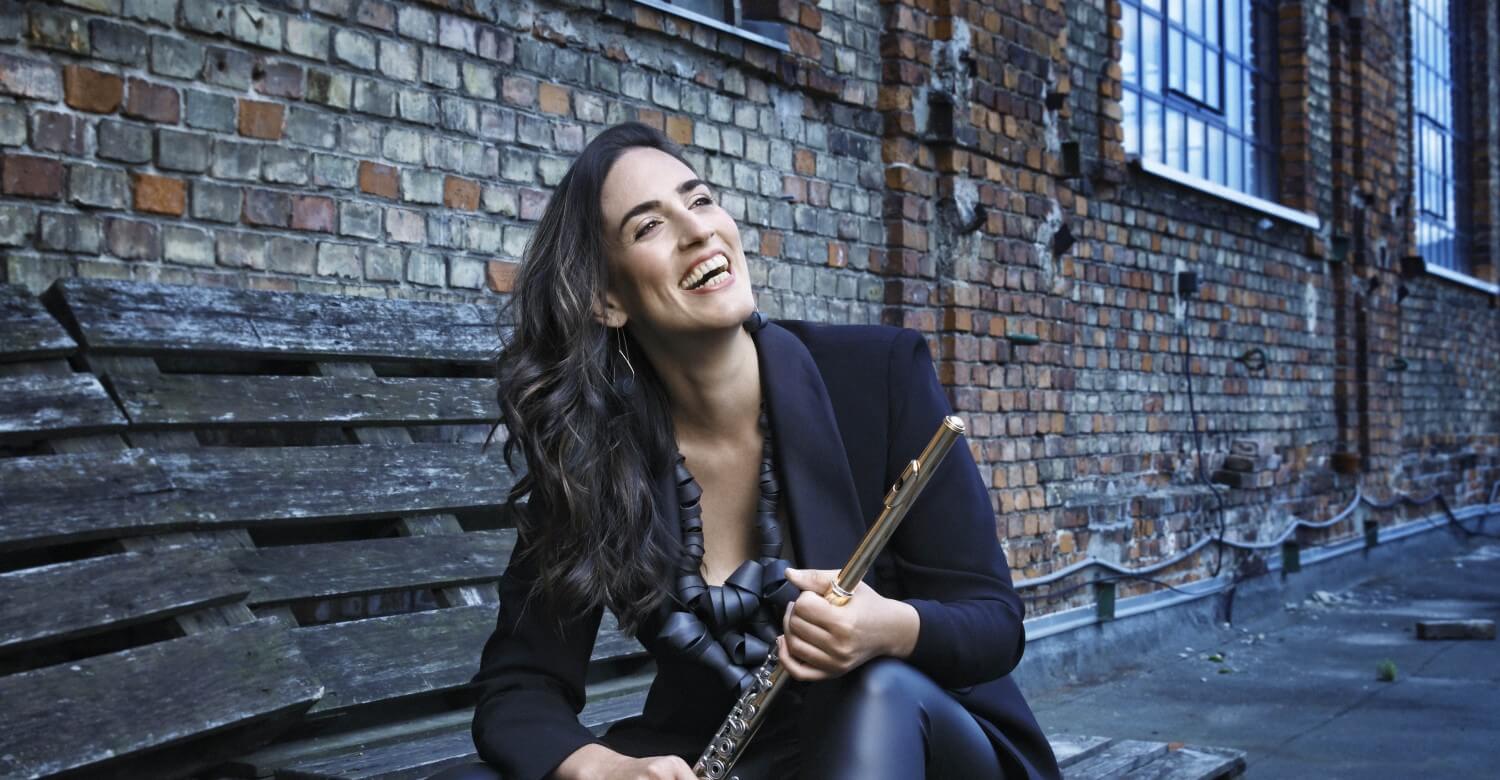
Noémi Győri is a celebrated flautist on modern and Baroque flutes, hailed internationally for her “phenomenal technique and sparkling play of colours” (Opus Klassiek), “rich tonal repertoire and enchanting melodic shaping” (Turun Sanomat), and “great skill and intensity” (Flute Journal). At home in all repertoire and a leading interpreter of contemporary music, she regularly premieres concertos and other works dedicated to her.
As a soloist and chamber musician, Noemi has captivated audiences in over thirty countries, performing with orchestras across the globe. She has appeared with the BBC National Orchestra of Wales, Orchestre Philharmonique Royal de Liège, Turku Philharmonic Orchestra, Georgian Philharmonic Orchestra, to name but a few, and in her home country has performed with the Hungarian National Philharmonic Orchestra and most of Hungary’s symphonic and chamber orchestras. She has also appeared at many notable classical music festivals, collaborated with esteemed ensembles, and co-directed events such as the Ördögkatlan Classical Festival, Arcus Temporum, and her own IKZE Contemporary Music Festival in Budapest (from 2004 to 2009).
Noemi’s artistic excellence has been recognised with numerous awards. She was awarded the European Cultural Prize for Young Artists in 2011, the Career Prize of the New York-based Salon de Virtuosi Foundation in 2012, and she is a two-time recipient of the Performers’ Prize of the Artisjus Music Foundation (2006 and 2009) for her outstanding performances of Hungarian contemporary compositions.
Noemi holds a master’s degree with honours from the Liszt Academy of Music in Budapest, as well as a postgraduate diploma from the University of Music and Performing Arts Vienna and the Hochschule für Musik und Theater München. Her mentors included Henrik Pröhle, Barbara Gisler-Haase, András Adorján, Lisa Beznosiuk and Benedek Csalog. In 2020, she made history as the first flautist to earn a PhD in performance practice from the Royal Academy of Music in London.
Beyond her solo career, Noemi is principal flautist of the Jewish Chamber Orchestra Munich and has performed with the Vienna Philharmonic (Vienna State Opera) and BBC Philharmonic.12As an educator, she has taught flute at the Junior Royal Northern College of Music for well over a decade and at the University of Manchester since 2019. A sought-after adjudicator and masterclass leader, Noemi has shared her expertise at conservatoires and festivals across three continents, while her work with the Tampere Flute Fest, where she joined the Artistic Team in 2024, further underscores her global leadership in the flute community.
Noemi’s discography includes six critically acclaimed albums published on the Rubicon, Hungaroton and Genuin labels, with three more releases slated for 2025–26. Her performances have been featured on numerous international networks and radio stations, including the premiere of Christian Mason’s Thaleia Concerto for flute and piccolo, broadcast by Mezzo/Medici.
A regular feature in international press, Noemi has appeared on the covers of The Flute View (USA), The Flute (Japan), Eurowinds (Germany) and Gramofon (Hungary). Playing a 14K gold Miyazawa flute supported by The Solti Foundation and the Philip Loubser Foundation, she balances her thriving career with family life in London, where she resides with her conductor husband, Gergely Madaras, and their two daughters.
Maksim Štšura is a pianist, educator, and researcher currently based at the Estonian Academy of Music and Theatre in Tallinn. Maksim earned his Bachelor's degree cum laude from the EAMT, where he studied with Ivari Ilja. He continued his Postgraduate education at the Royal College of Music in London, studying with Gordon Fergus-Thompson. Maksim also completed the Doctoral course at the RCM, receiving his DMus degree for a research project entitled “Translating Twenty-First Century Orchestral Scores for the Piano: Transcription, Reduction, and Performability.” In 2020, he was appointed Lecturer in Piano and Chamber Music at the Estonian Academy of Music and Theatre in Tallinn.
Maksim has participated in masterclasses with many distinguished pianists, including Dmitry Bashkirov, Stephen Hough, John Lill, Barry Douglas, Nina Seryogina, Veera Gornostayeva, Daniel Pollack, Tamás Ungár, and Eliso Virsaladze. He has also been recognized in several international competitions, winning First Prize at the 7th Estonian Piano Competition in 2008 and the Intercollegiate Beethoven Piano Competition in 2013. As a soloist, Maksim has performed with orchestras such as the Estonian National Symphony Orchestra and Wiener Kammersymphonie. Additionally, he serves as a Trustee of the Mills Williams Foundation.
In 2012, Maksim co-founded the Foyle-Štšura Duo with violinist Michael Foyle. Together, they won the Beethoven Piano Society of Europe Duo Competition and the Salieri-Zinetti International Chamber Music Competition in 2015. The duo has performed at prestigious venues including th Wigmore Hall and the Buckingham Palace in London, Usher Hall in Edinburgh, and the Amsterdam Concertgebouw, and has appeared at festivals including the New York Chamber Music Festival, Cervantino Festival in Mexico, and the Deal, Newbury Spring, and Brighton Festivals in the UK. As City Music Foundation Ambassadors, the Foyle-Štšura Duo has been featured live on BBC Radio 3, NPO Radio 4, and Estonian Klassikaraadio, and has recorded for Delphian Records and Challenge Classics. Their third installment of the complete Beethoven sonatas cycle for Challenge Classics received a five-star review in the January 2023 issue of BBC Music Magazine.
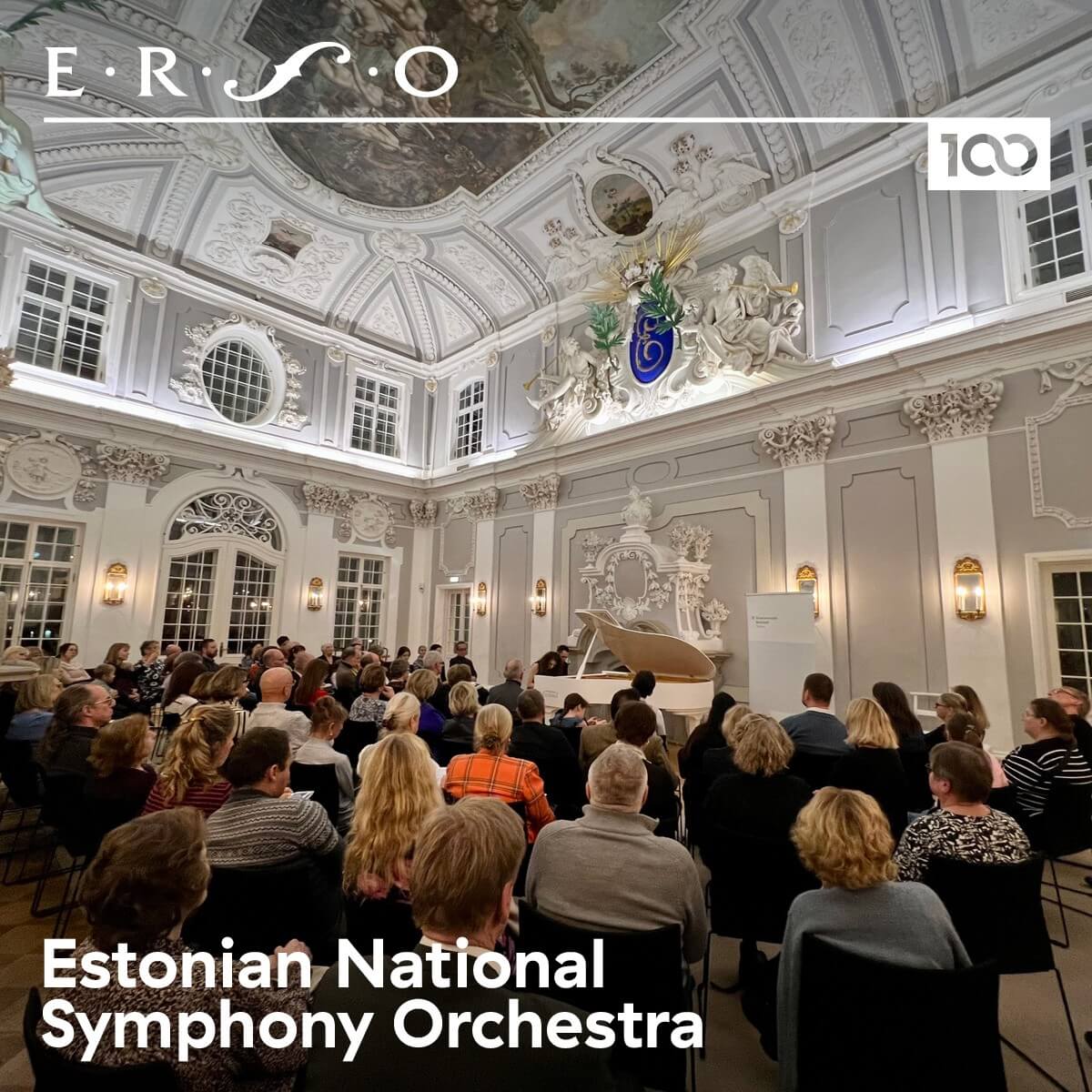
Kadriorg Palace is one the most well known and beautiful historic concert halls in Estonia offering memorable music experiences already for many decades. The tradition of performing music in the baroque palace goes back to 18th century when court music accompanied the daily life. The palace has had the pleasure to welcome many international artists and ensembles for outstanding performances.
The construction of the Kadriorg Palace was started by the Tsar Peter the Great of Russia in 1718. It was named Catharinenthal (in Estonian Kadriorg) in honour of his wife Catherine I. The palace was designed by the Italian architect Nicola Michetti and its abundantly decorated main hall is one of the most exquisite examples of baroque architecture both in Estonia and in northern Europe.
Kadriorg Palace has always been the crown jewel of Tallinn. The small festive tsars’ palace in the style of Roman Baroque, surrounded by a regular garden, with fountains, hedges and flowerbeds, planned after the model of Versailles.
The palace was a summer residence of Russian emperors untill 1917. In the 1920s, and again in 1946-1991 palace served as the main building of the Art Museum of Estonia. In the 1930s, it was the residence of the Head of State of the Estonian Republic. In 2000, it was opened as the Kadriorg Art Museum, which displays the largest collection of old Russian and Western European art in Estonia.
Music has been performed in the palace halls since the 18th century. In the past few decades, the most brilliant Estonian and international musicians have delighted listeners in the palace. Regular concerts started to take place in the Kadriorg Palace again in 2014, when the museum launched the Palace Music Concert Series. The extraordinary acoustics and the magnificent interior of the main hall make every concert a truly enjoyable artistic experience.
The artistic director of the Palace Music Concert Series is Aare Tammesalu.
In cooperation of the Art Museum of Estonia.
Tickets are on sale at the Kadriorg Art Museum and Piletikeskus outlets.
Supporters: Estonian Ministry of Culture, The Cultural Endowment of Estonia, Estonian Public Broadcasting, Tallinn Culture and Sports Department, UNESCO City of Music Tallinn, Kultuurikõla, Pointprint
Special thanks: Visit Estonia, Visit Tallinn, Õhtuleht
Event timeline/line-up

Related