Symphony of Art and Nature • Lossimuusika
Sunday, March 1, 2026 at 6 p.m.
Kadriorg Palace / Kadriorg Art Museum
PALACE MUSIC
Symphony of Art and Nature
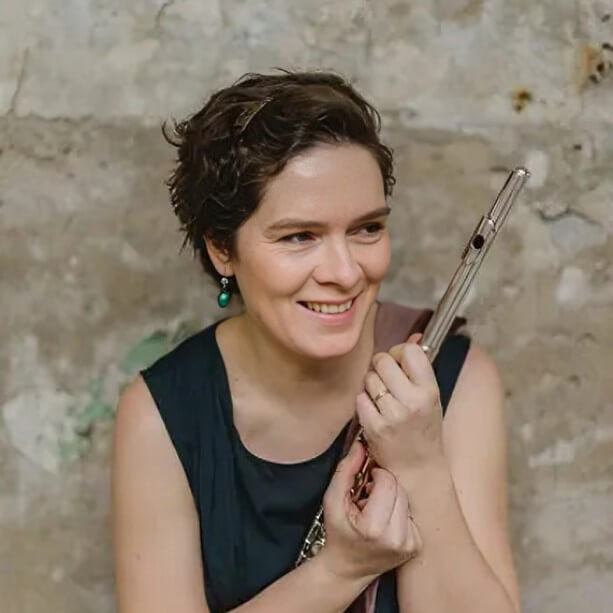
Linda Hedlund - violin
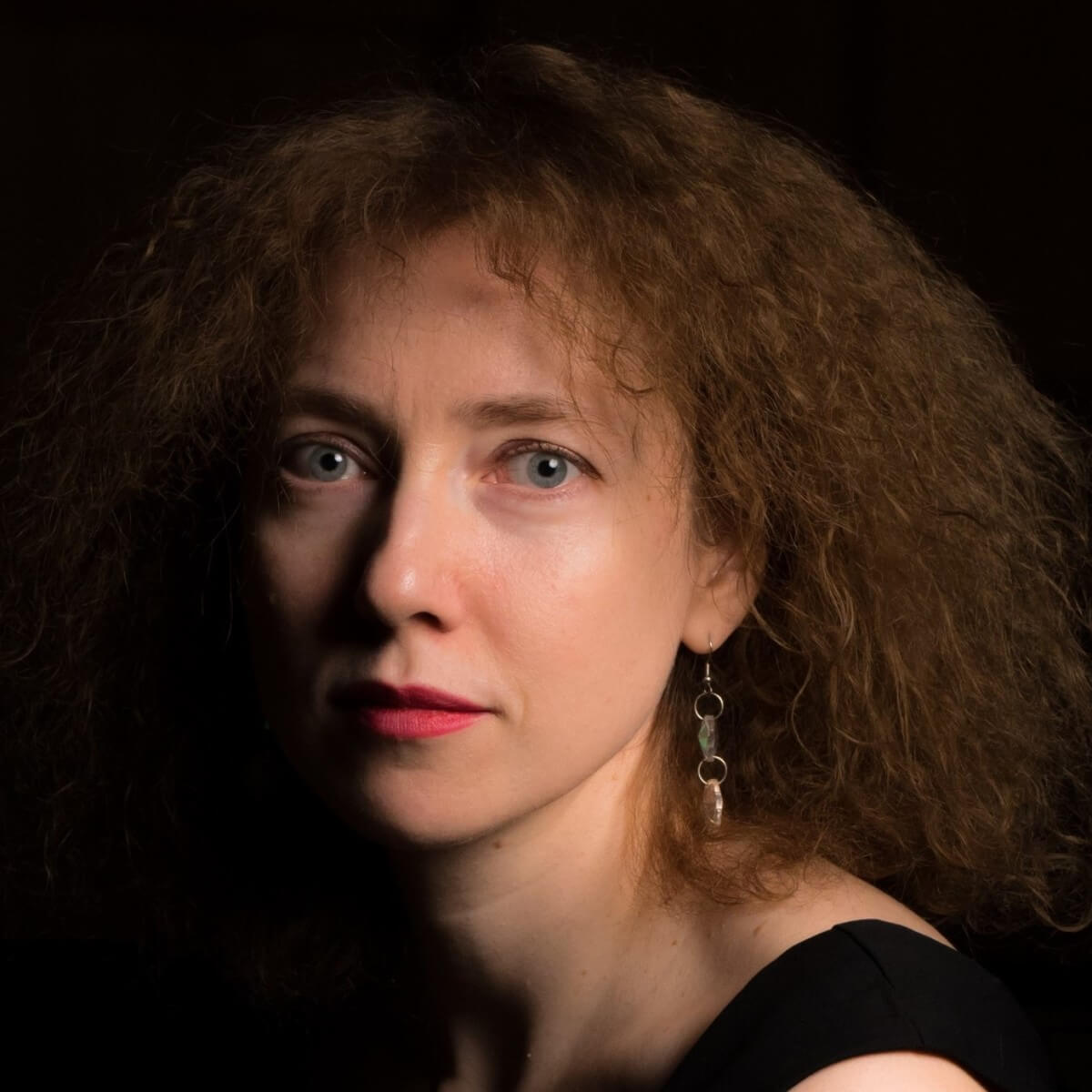
Risto-Matti Marin - piano
Program:
Leevi Madetoja (1887-1947)
Sonatina for violin and piano Op. 19
Allegro molto moderato
Lento moderato
Finale (perpeetum mobile)
Leevi Madetoja
Two pieces for violin and piano Op. 3
Ballade
Scherzo
Jean Sibelius (1865-1957)
Valse Triste for piano solo Op. 44 No. 1
Romance for violin and piano Op. 78 No. 2
Rondino for violin and piano Op. 81 No. 2
Mazurka for violin and piano Op. 81 No. 1
Novellette for violin and piano Op. 102 No. 1
Humoresque for violin and piano Op. 87 No. 1
Heino Kaski (1885-1957)
Yö meren rannalla (Nacht am Seestrand) for piano Op. 34 No. 1
Armas Järnefelt (1869-1958)
Berceuse
Oskar Merikanto (1868-1924)
Valse lente Op. 33
In cooperation with Finnish Institute in Estonia
Kadriorg Art Museum's new exhibition "Symphony of Nature and Art. The Serlachius Art Collection" presents the collection of the Gösta Serlachius Art Foundation in Estonia for the first time. The core of the collection founded by industrialist Gösta Serlachius is the art of the golden age of Finnish art, i.e. art from the end of the 19th century to the beginning of the 20th century, where the work of Akseli Gallen-Kallela is central. Old masters from Western Europe, which were historically part of the collection, are also represented, as well as (Finnish) contemporary art, the collection of which is the foundation's mission today.
Leevi Madetoja (1887-1947) was a Finnish composer, conductor, and music teacher. He studied at the Helsinki Music Institute from 1906 to 1910 under Armas Järnefelt, Erik Furuhjelm, and Jean Sibelius. Later, he worked as a conductor in Viipuri. The core of Madetoja's oeuvre consists of three symphonies (1916, 1918, and 1926). At the center of Madetoja's legacy is Pohjalaisia (1923), which, following its successful premiere in 1924, was declared Finland's "national opera" and remains a cornerstone of the country's opera repertoire today. Other notable works include an elegy for strings (1909); the three-movement piano suite Kuoleman puutarha (Garden of Death, 1918–21); the Japanese-inspired ballet-pantomime Okon Fuoko (1927); and a second opera, Juha (1935). Madetoja's fourth symphony, reportedly lost in 1938 at a Paris train station, was never realized. In Madetoja's compositions, a French-inspired sound—characterized by transparency and subtlety—adds to the Finnish national contemplative style. He is the most prominent late romantic in Finnish classical music following Jean Sibelius.
The Finnish composer of Swedish descent, Jean Sibelius (1865-1957), was one of the most significant figures in the music world at the end of the 19th century and the beginning of the 20th, whose works played a key role in shaping Finnish national identity. The mythological epic Kalevala served as his source of inspiration and the driving force of romantic patriotism. Sibelius initially studied law but soon devoted himself fully to music. He wanted to become a violinist but was dissatisfied with his technical skills. In his mid-20s, he left his homeland to continue his studies in Berlin and Vienna under Robert Fuchs and Karl Goldmark. Upon returning home, the performance of his first large-scale orchestral work, the Kullervo Symphony (1892), caused quite a sensation. This and the subsequent Saga (1892) made him Finland's leading composer. In 1897, even before the release of his Symphony No. 1 in E minor (1899), the Finnish Senate granted Sibelius a lifelong stipend. The core of Sibelius's output is his seven symphonies. Well-known works include the symphonic poem Finlandia, the orchestral piece Valse triste from the play Kuolema, the violin concerto, and the Karelia suite. Sibelius composed until the mid-1920s. Later, he maintained a lively interest in musical developments but did not follow new fashionable trends.
Heino Kaski (1885-1957) was born in Pielisjärvi into a cantor’s family. He studied at the Helsinki Cantor-Organist school and then entered the Philharmonic’s Orchestra School where he continued studying the violin. He was also tutored in theory and composition by Erkki Melartin.
In 1911, on Jean Sibelius‘ recommendation, Kaski received a grant which enabled him to study for four years in Berlin under Paul Juon. In 1914 Heino Kaski returned to Finland and started composing his Symphony in B Minor, one of his large-scale works, under guidance from Selim Palmgren. The symphony was performed on October 2, 1919. The same year Kaski travelled again to Berlin, this time to study under Otto Taubmann, and later he also studied in Italy and France. Kaski finally returned to Finland in 1924 and since then worked as music teacher.
Heino Kaski is best known for his piano pieces and songs which number over one hundred and display a natural gift for melody. Fennica Gehrman has published both his piano pieces and solo songs in handsome collections. Many of Kaski’s compositions have been orchestrated such as the popular piano piece Pankakoski (Prelude in B Minor Op. 48/1) and Valamo Op. 48/3. Kaski’s orchestral works include also Fantasia appassionata Op. 9 for violin and orchestra and Prelude in G Flat Major Op. 7/1.
Edvard Armas Järnefelt (14 August 1869 – 23 June 1958) was a Finnish and Swedish conductor and composer, who achieved some minor success with his orchestral works Berceuse (1904) and Praeludium (1900). He spent much of his conducting career at the Royal Swedish Opera in Stockholm, Sweden.
Armas Järnefelt was born in Vyborg, in the Grand Duchy of Finland, the son of General August Aleksander Järnefelt and Elisabeth Järnefelt (née Clodt von Jürgensburg). Järnefelt studied with Ferruccio Busoni in Helsinki and with Jules Massenet in Paris. Both Järnefelt and Busoni enjoyed a close relationship with Jean Sibelius, who was married to Järnefelt's sister Aino. From 1905 Järnefelt had a long career as conductor at the Royal Swedish Opera in Stockholm, beginning as repetiteur from 1905 to 1911 (he became a Swedish citizen in 1909); conductor 1911-1923 and chief conductor 1923–1933.
Between 1932 and 1936 Järnefelt was the artistic director and conductor of the Finnish National Opera. He presented, among others, Siegfried and Götterdämmerung from Wagner's Ring cycle, and Parsifal. He was the principal conductor of the Helsinki Philharmonic Orchestra 1942–1943, and also returned to the Royal Swedish Opera as chief conductor from 1938 to 1946. He died in Stockholm.
Oskar Merikanto (1868-1924) was a Finnish composer, music critic, pianist, and organist. As a composer, Merikanto was primarily a miniaturist, and his extensive œuvre includes songs and piano pieces (he wrote over 100 of each). Of the latter, he is best remembered for: Summer Evening Waltz (Kesäillan valssi, Op. 1), Romance (Romanssi, Op. 12), Summer Evening Idyll (Kesäillan idylli, Op. 16/2), Valse lente (Op. 33), and Idyll (Idylli, Op. 73/1). Merikanto also wrote three operas: The Maiden of the North (Pohjan neiti, 1898), which retains a degree of historical significance as the first opera composed to a Finnish libretto; The Death of Elina (Elinan surma, 1910); and Regina von Emmeritz (1920). However, Merikanto's operas have entered neither the domestic nor the international repertoires. As a music critic, Merikanto was associated with the Finnish-language, liberal, nationalist newspaper Päivälehti.
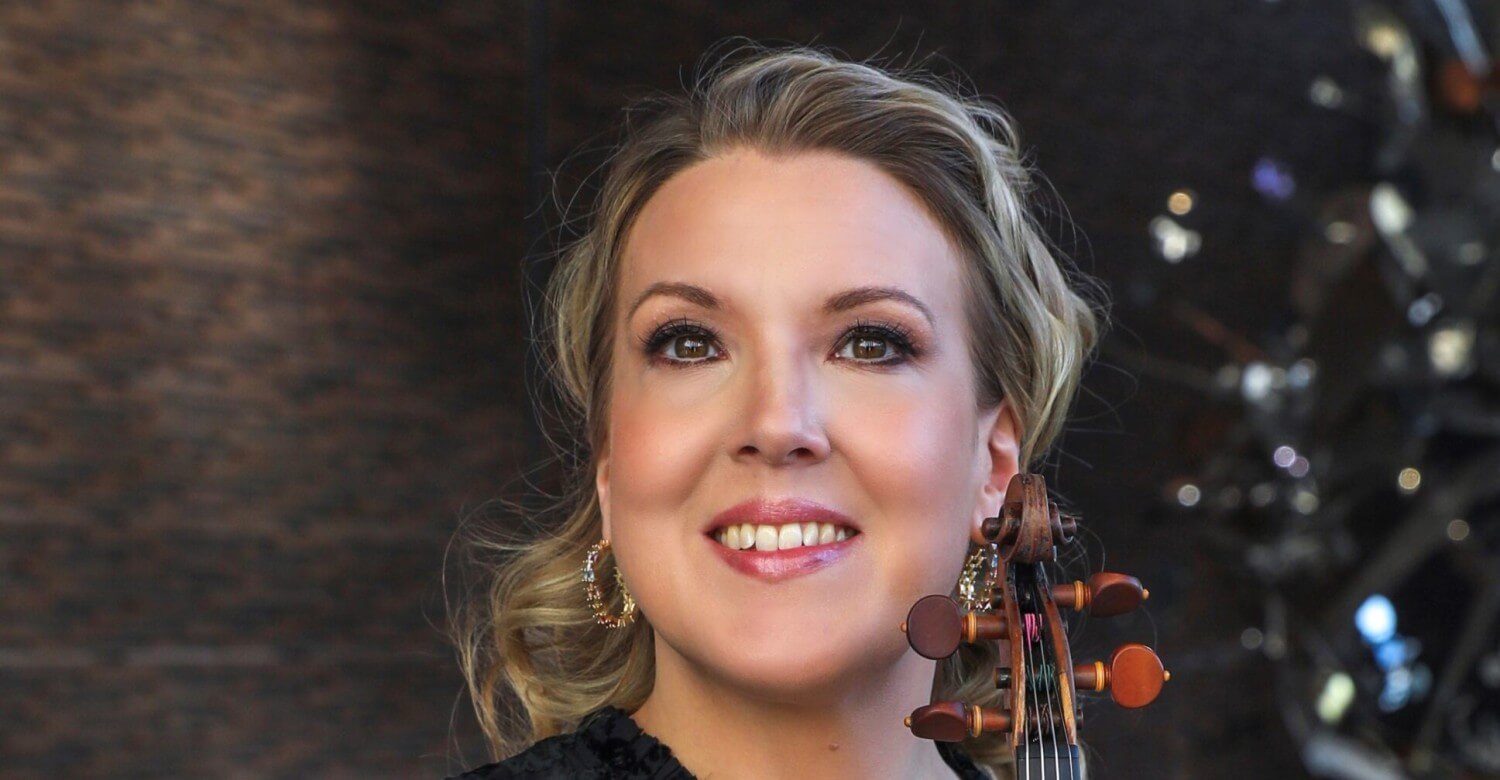
Linda Hedlund graduated from the University of Music and Performing Arts, Vienna, in 2002 and went on to complete her doctorate in violin performance from the Sibelius Academy, Helsinki, in 2010. Since 2019 she has specialised in baroque violin performance at Novia University of Applied Sciences in Finland. Dr. Hedlund has been successful in various competitions and has worked as first concertmaster a.o. at the Pacific Music Festival Japan (1999) with Michael Tilson Thomas and with Tapiola Sinfonietta (2004). She has also gained orchestra experience in some of the main orchestras in Europe and Asia and has appeared as leader/soloist with Sinfonia da Camera Finlandia, the Austrian Chamber Orchestra, various baroque ensembles and recording projects.Performing internationally as soloist and chamber musician, Hedlund has partnered with a.o. principal players of the Vienna Philharmonic Orchestra and pianist prof. Oliver Kern for chamber music. She has also performed as soloist with a.o. La Tempesta orchestra, Istanbul Milli Insurance Orchestra, Vogtland Philharmonie, Wegelius Chamber Orchestra, Ensemble Borromini, Les Solistes de Monte Carlo, Presidential Orchestra of Northern Cyprus, Austrian Chamber Orchestra, Lohja City Orchestra, Kauniainen City Orchestra and OSUEL Symphony orchestra in Brazil. Linda Hedlund has performed successfully as soloist and chamber musician at many prestigious festivals including Helsinki Festival (Finland), Musica Nova (Helsinki), Grafenegg Festival (Austria), Nancyphonies (France), Honart Festival Konzerthaus Wien, Teatro Bibiena, Mantova and in Carnegie Hall, New York. Her performances have also been broadcasted on radio and TV in Finland (Yle), Rai TV 3, Turkish state television, RSI/Arte in Switzerland, Radio Classic, Borusan radio, Czech Republic (Radio Free Europe), in Austria (ORF) and in the US (WFMT).
In addition to her career as a performing artist, she is active as teacher and has given master classes in a.o. USA University of Hawaii, Cervo Master Classes in Italy, South-America, Singapore and Asia as well as serving as member of jury in the international music competition in Singapore. She founded the Emäsalo Music Festival in 2006, taking place each summer in southern Finland. On her acclaimed debut CD (issued under the Finnish label Fuga in 2008) she collaborated with pianist Oliver Kern in sonatas by Franck, Saint-Saëns and Debussy. Another CD (with guitarist Otto Tolonen) was released 2011 by Classic Concert Music Group, Salzburg as well as a live concert video (USB), Tango Intimamente with tango arrangements for violin and harp together with Floraleda Sacchi (Amadeus Arte 2019). A critically acclaimed album with music for violin and orchestra by a.o. George de Godzinsky was released in 2021 by Naxos and an album with premiere recordings of Finnish music for violin and orchestra will follow up.
Risto-Matti Marin (b. 1976) has been hailed as being in the absolute top class of all Finnish pianists. He has recorded many internationally acclaimed solo piano discs, and several discs of chamber music. He has also made a number of recordings for the Finnish Broadcasting Company (Yle). Marin’s repertoire varies from the cornerstones of classical/romantic piano works to rare pieces, transcriptions, and contemporary music.
Marin earned his doctoral degree in 2010 from the Sibelius Academy in Helsinki. In addition to his work as a piano recitalist and chamber musician Marin lectures on piano music and teaches at masterclasses in Finland and abroad. He also works as a part-time teacher in Sibelius Academy of the University of the Arts Helsinki.
As a soloist, as well as a chamber musician together with classical saxophonist Olli-Pekka Tuomisalo, Marin has premiered many Finnish contemporary works, by Eero Hämeenniemi, Sebastian Fagerlund and Matthew Whittall, among others. Recently, Marin was the co-dedicatee, along with Angela Hewitt, of Whittall’s piano concerto “Nameless Seas”, of which he gave the European premiere in November 2017 as soloist with the Finnish Radio Symphony Orchestra, conducted by Olari Elts.
Two discs of unknown Finnish piano repertoire, a contemporary music disc “Sixth Sense” (released in 2018), and a disc of romantic Finnish piano music “Hidden Treasures” (released in 2019), both received nominations in the best classical album category of Finnish Emma Awards. February 2021 was released the fourth and final CD of Marin’s survey of the complete transcriptions of Liszt’s symphonic poems made by his pupil August Stradal (1860–1930) – all of them first recordings.
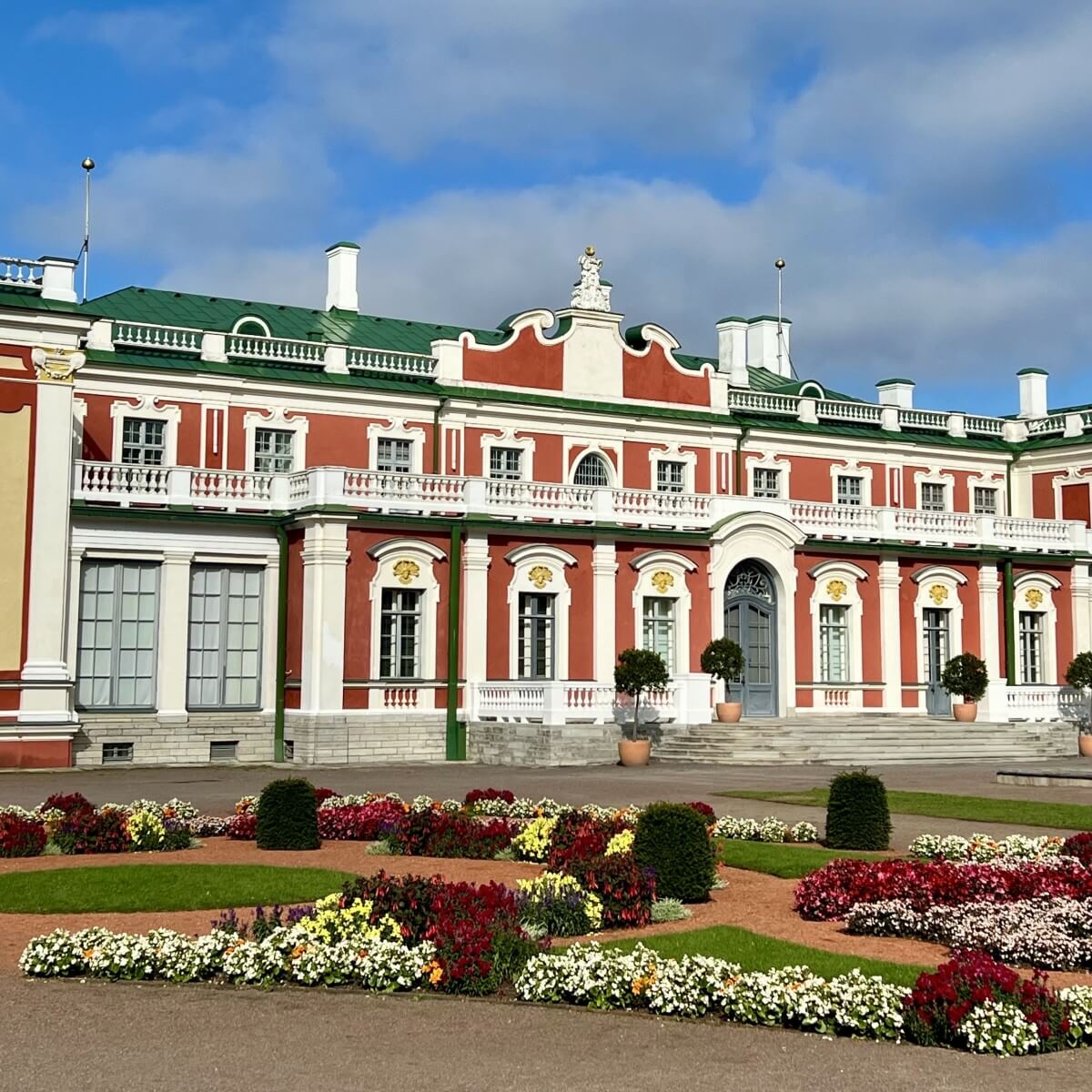
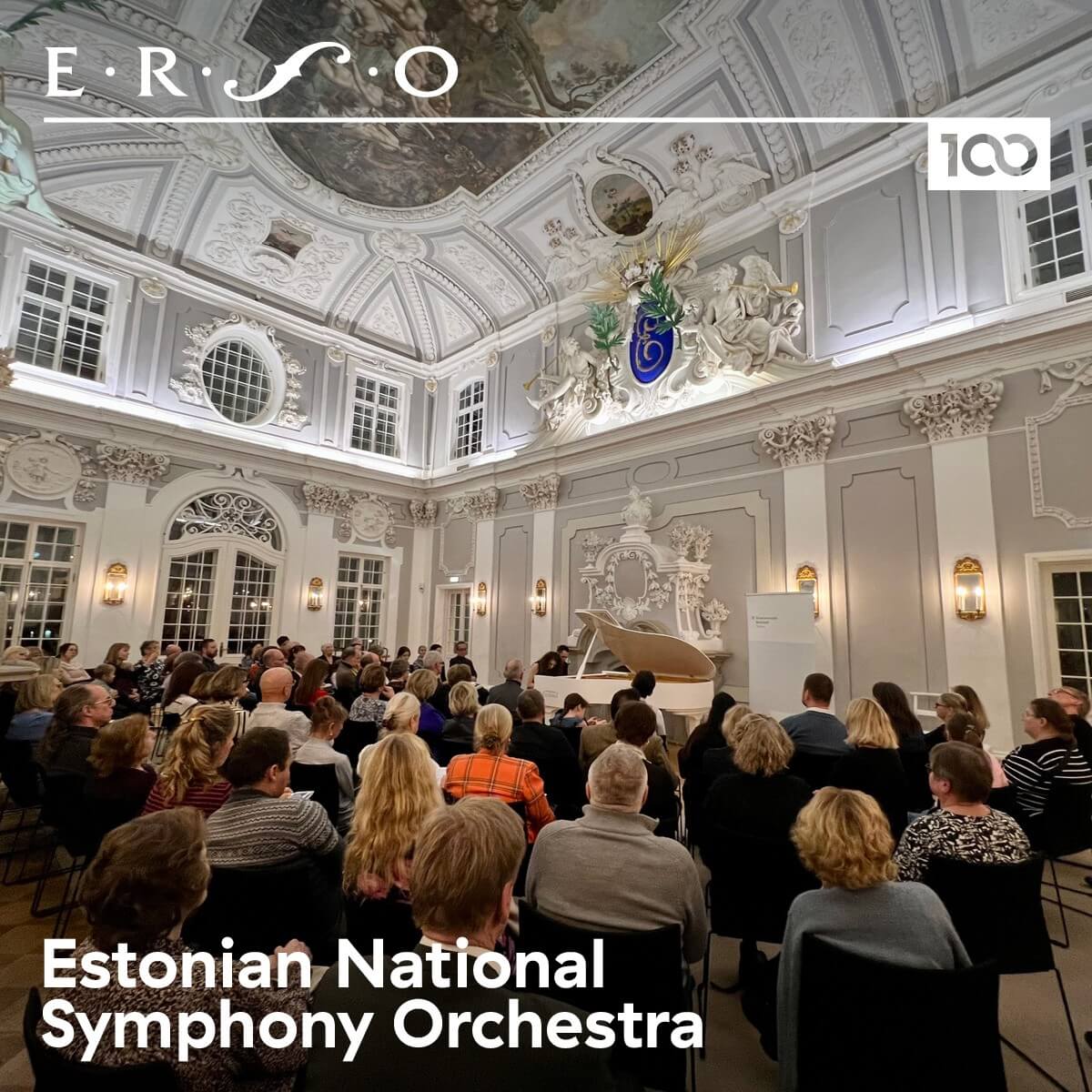
Kadriorg Palace is one the most well known and beautiful historic concert halls in Estonia offering memorable music experiences already for many decades. The tradition of performing music in the baroque palace goes back to 18th century when court music accompanied the daily life. The palace has had the pleasure to welcome many international artists and ensembles for outstanding performances.
The construction of the Kadriorg Palace was started by the Tsar Peter the Great of Russia in 1718. It was named Catharinenthal (in Estonian Kadriorg) in honour of his wife Catherine I. The palace was designed by the Italian architect Nicola Michetti and its abundantly decorated main hall is one of the most exquisite examples of baroque architecture both in Estonia and in northern Europe.
Kadriorg Palace has always been the crown jewel of Tallinn. The small festive tsars’ palace in the style of Roman Baroque, surrounded by a regular garden, with fountains, hedges and flowerbeds, planned after the model of Versailles.
The palace was a summer residence of Russian emperors untill 1917. In the 1920s, and again in 1946-1991 palace served as the main building of the Art Museum of Estonia. In the 1930s, it was the residence of the Head of State of the Estonian Republic. In 2000, it was opened as the Kadriorg Art Museum, which displays the largest collection of old Russian and Western European art in Estonia.
Music has been performed in the palace halls since the 18th century. In the past few decades, the most brilliant Estonian and international musicians have delighted listeners in the palace. Regular concerts started to take place in the Kadriorg Palace again in 2014, when the museum launched the Palace Music Concert Series. The extraordinary acoustics and the magnificent interior of the main hall make every concert a truly enjoyable artistic experience.
The artistic director of the Palace Music Concert Series is Aare Tammesalu.
In cooperation of the Art Museum of Estonia.
Tickets are on sale at the Kadriorg Art Museum and Piletikeskus outlets.
Supporters: Estonian Ministry of Culture, The Cultural Endowment of Estonia, Estonian Public Broadcasting, Tallinn Culture and Sports Department, UNESCO City of Music Tallinn, Kultuurikõla, Pointprint
Special thanks: Visit Estonia, Visit Tallinn, Õhtuleht
Concert tickets are not refundable, but if necessary, we can exchange them for passes to other Palace Music concerts
Event timeline/line-up

Related