Piano duo KALABOVA & GUGG • Lossimuusika
Sunday, November 9, 2025 at 6 p.m.
Kadriorg Palace / Kadriorg Art Museum, Tallinn
PALACE MUSIC
Piano duo KALABOVA & GUGG
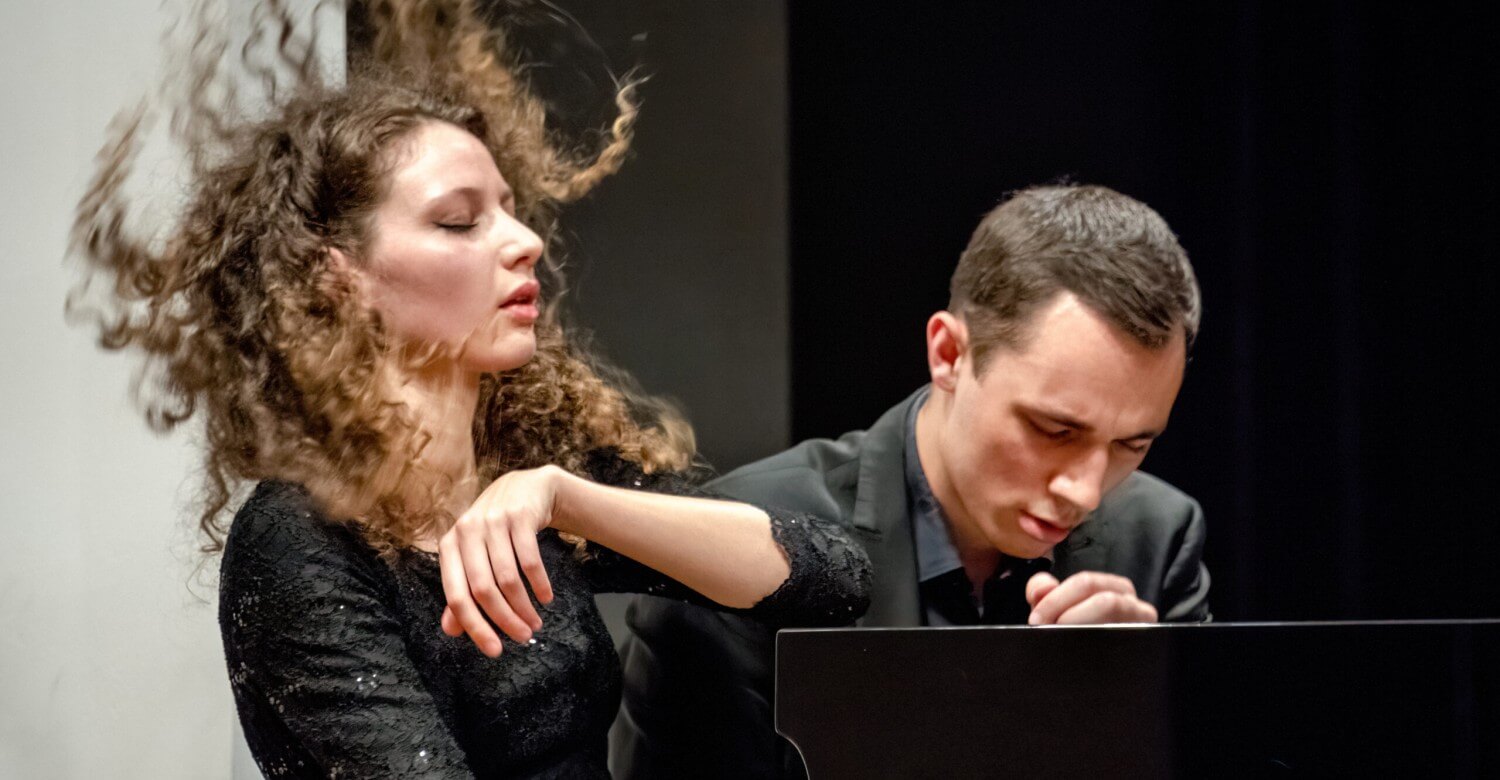
Tereza Gugg-Kalabova and Johannes Gugg
Program:
Franz Schubert (1797-1828)
Sonata in C major "Grand Duo", D 812
Johann Strauss (1825-1899)
Frühlingsstimmen, op. 410 (arr. for piano duo)
Antonin Dvorák (1841-1904)
Slavonic Dances, Op. 46, No. 2 & 3
Bedřich Smetana (1824-1884)
Moldau (composer`s arr. for piano duo)
In cooperation with Austrian Embassy in Tallinn
Franz Schubert wrote his Sonata in C major for piano four-hands, D 812, in June 1824 during his second stay at the Esterházy estate in Želiezovce. The extended work, in four movements, has a performance time of around 40 to 45 minutes. It was published as Grand Duo, Op. 140, in 1837, nine years after the composer's death.
Robert Schumann saw Beethoven's influence in the work, and thought of it as the piano version of a symphony. Joseph Joachim's orchestration of the work was performed from the 19th to the 21st century. From the second half of the 20th century the Sonata was however more readily appreciated as a piano piece with orchestral effects, like many other piano works by Schubert, than as a symphony in disguise.
"Frühlingsstimmen", Op. 410 ("Spring's Voices", in Italian as "Voci di primavera") is an orchestral waltz, with optional solo soprano voice, written in 1882 by Johann Strauss II.
Strauss dedicated the work to the pianist and composer Alfred Grünfeld. The famous coloratura soprano Bertha Schwarz (stage name Bianca Bianchi) sang this concert aria at a grand matinée charity performance at the Theater an der Wien in aid of the "Emperor Franz Joseph and Empress Elisabeth Foundation for Indigent Austro-Hungarian subjects in Leipzig". The waltz was not a great success at its premiere, but was more successful when performed on Strauss' tour of Russia in 1886. A piano arrangement by the composer contributed much to its success beyond Vienna. Grünfeld, the work's dedicatee and a pianist and composer in his own right, also wrote and recorded his own concert transcription of the work for solo piano.
Bianca Bianchi was then a famous member of the Vienna Court Opera Theatre and Strauss was sufficiently inspired to compose a new work, a waltz for solo voice, for the acclaimed singer. The result was his "Frühlingsstimmen" waltz which celebrated spring and remained one of the classical repertoire's most famous waltzes.
The Slavonic Dances (Czech: Slovanské tance) are a series of 16 orchestral pieces composed by Antonín Dvořák in 1878 and 1886 and published in two sets as Op. 46 and Op. 72 respectively. Originally written for piano four hands, the Slavonic Dances were inspired by Johannes Brahms's own Hungarian Dances and were orchestrated at the request of Dvořák's publisher soon after composition. The pieces, lively and full of national character, were well received at the time and today are considered among the composer's most memorable works, occasionally making appearances in popular culture. As described on Europeana, "Contrary to what the title might suggest, the dances are not so much inspired by Slavic folk music generally, but specifically by styles and forms from Bohemia. In these pieces, Dvořák never actually quotes folk melodies, but evokes their style and spirit by using traditional rhythmic patterns and structures in keeping with traditional folk dances."
Má vlast, also known as My Fatherland, is a set of six symphonic poems composed between 1874 and 1879 by the Czech composer Bedřich Smetana. The six pieces, conceived as individual works, are often presented and recorded as a single work in six movements. They premiered separately between 1875 and 1880. The complete set premiered on 5 November 1882 in Žofín Palace, Prague, under Adolf Čech.
Má vlast combines the symphonic poem form, pioneered by Franz Liszt, with the ideals of nationalistic music of the late nineteenth century. Each poem depicts an aspect of Bohemia's countryside, history, or legends.
Vltava, also known by its English title The Moldau, and the German Die Moldau, was composed between 20 November and 8 December 1874 and was premiered on 4 April 1875 under Adolf Čech. It is about 13 minutes long, and is in the key of E minor. It is the best known of the poems, often performed separately from the full work.
In this piece, Smetana uses tone painting to evoke the sounds of one of Bohemia's great rivers. In his own words: “The composition describes the course of the Vltava, starting from the two small springs, the Studená and Teplá Vltava, to the unification of both streams into a single current, the course of the Vltava through woods and meadows, through landscapes where a farmer's wedding is celebrated, the round dance of the mermaids in the night's moonshine: on the nearby rocks loom proud castles, palaces and ruins aloft. The Vltava swirls into the St John's Rapids; then it widens and flows toward Prague, past the Vyšehrad, and then majestically vanishes into the distance, ending at the Elbe."
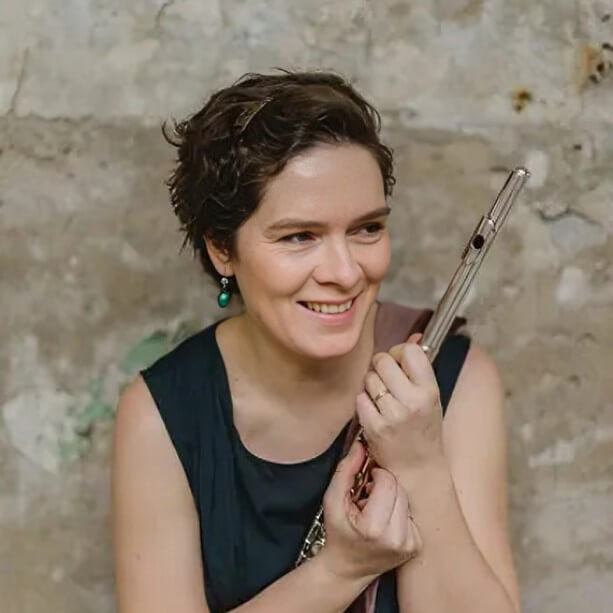
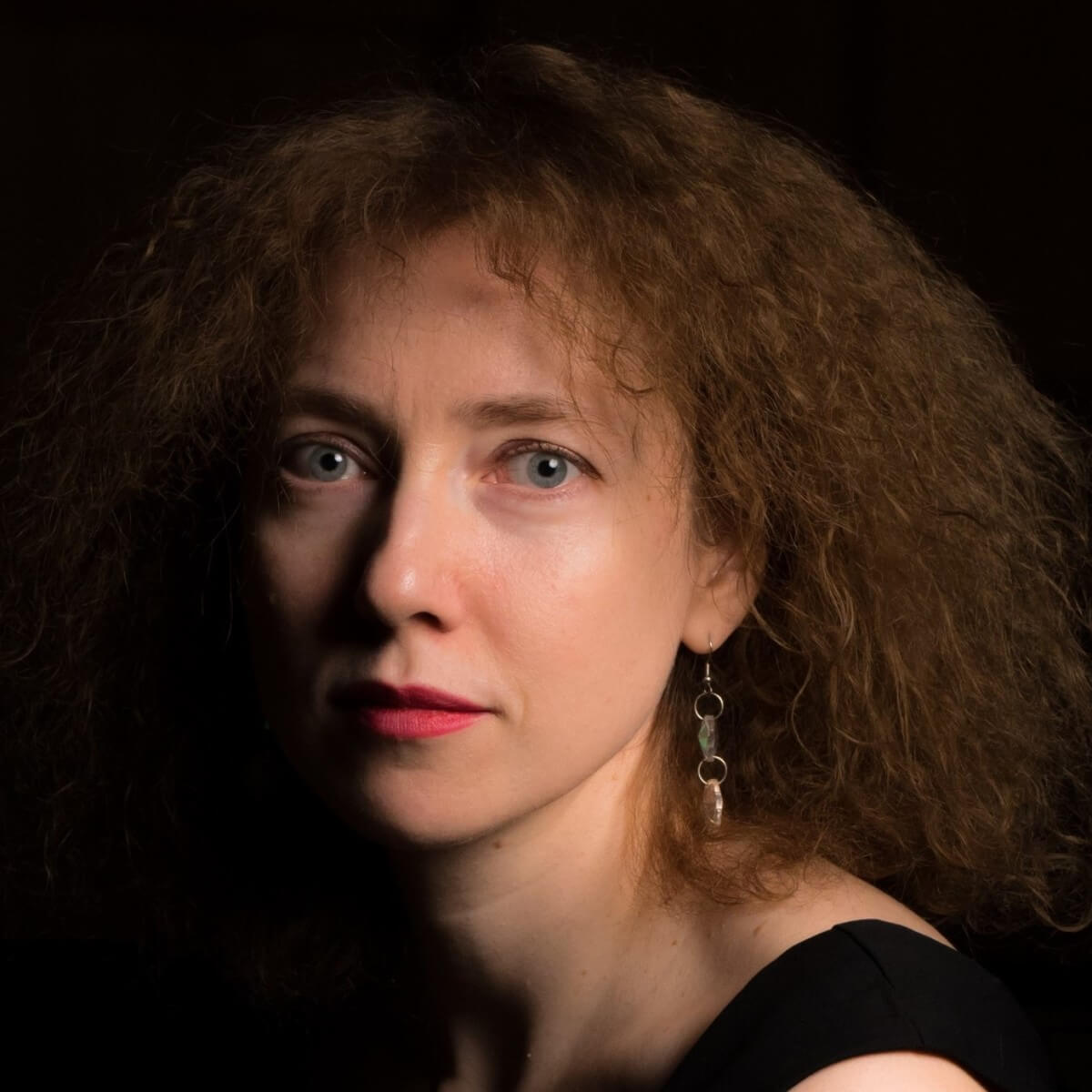
At the latest since winning a special prize at the ARD Music Competition 2021, the piano duo KALABOVA & GUGG regularly performs in major concert halls. Recently, they made their debut at the Vienna Konzerthaus, in the Brahms Hall of the Vienna Musikverein as well as at the Romanian Athenaeum in Bucharest as a substitute for Martha Argerich. Tereza Gugg-Kalabova (Czech Republic) and Johannes Gugg (Austria) were both born in 1998 and have formed a piano duo since their teenage years. Thanks to their early collaboration, they have experienced a significant part of their musical development together, resulting in a profound mutual understanding and finely nuanced, well-balanced interpretations. The aspiring duo was awarded numerous first prizes, for instance, at the International Chamber Music Competition Franz Schubert&Modern Music in Graz, the International Duo Competition Suzana Szörenyi in Bucharest, the ArtePiano Competition in Castelnuovo di Farfa, the International Schubert Piano Duo Competition in Jesenik, the Music and Earth Competition in Sofia, the Vlastimil Lejsek Piano Duo Competition in Brno, the Martha Debelli Scholarship Competition at the University of Music and Performing Arts Graz, the Austrian competition Prima la Musica and at the International Summer Academy of the mdw. In addition to that, they won 2nd prizes at the 14th International Piano Competition in Rome and the Duettissimo Piano Duo Competition in Krakow, where they were also awarded the Mozart Prize.
Concert invitations have taken them to Germany, Czechia, Austria, Poland, Romania, Italy, Spain, Brazil, and the Netherlands. The young musicians have performed multiple times with various orchestras, including the Krakow Philharmonic, the Munich Chamber Orchestra, the Webern Chamber Philharmonic and the Orchestra of the Brno Conservatory. Their performance of Carl Czerny's Piano Concerto for Four-Hands with the Webern Chamber Philharmonic was broadcast on ORF as part of a charity concert for 'Licht ins Dunkel'. They also appeared in other TV and radio shows in Austria (Intrada, Ö1), Germany (ttt-extra, ARD), Czechia (Radio Vltava), Poland (Radio Krakow) and the Netherlands (Podium Klassiek, NPO). Both completed their Piano-Solo studies with Ayami Ikeba as well as their InstrumentalPedagogy studies at the University of Music and Performing Arts Graz with distinction. In June 2025, they also graduated with distinction from the Master's Programme Piano-Duo in the class of Sivan Silver and Gil Garburg. For the years 2025 and 2026, they have been selected for the NASOM sponsoring program of the Austrian Federal Ministry for European and International Affairs.
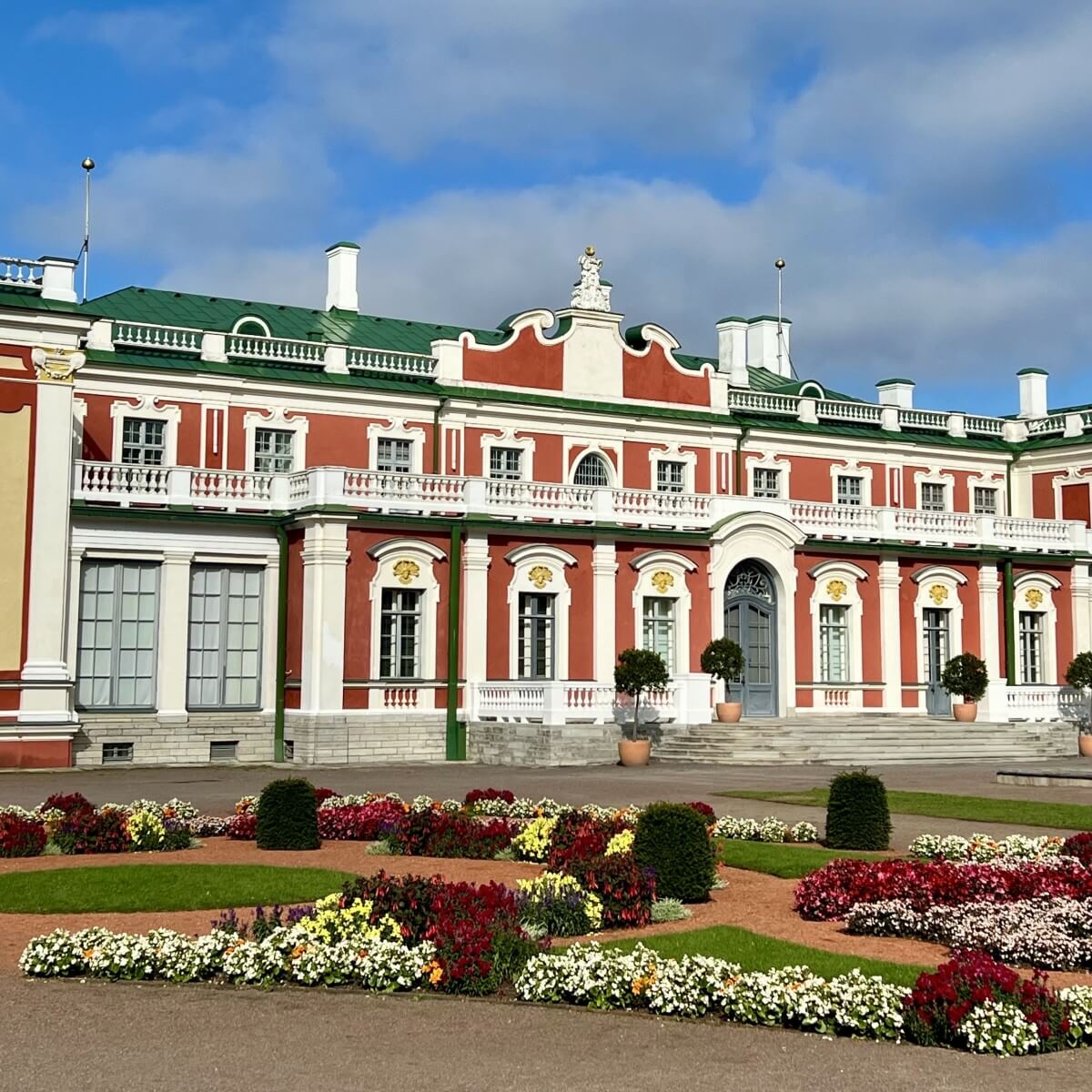
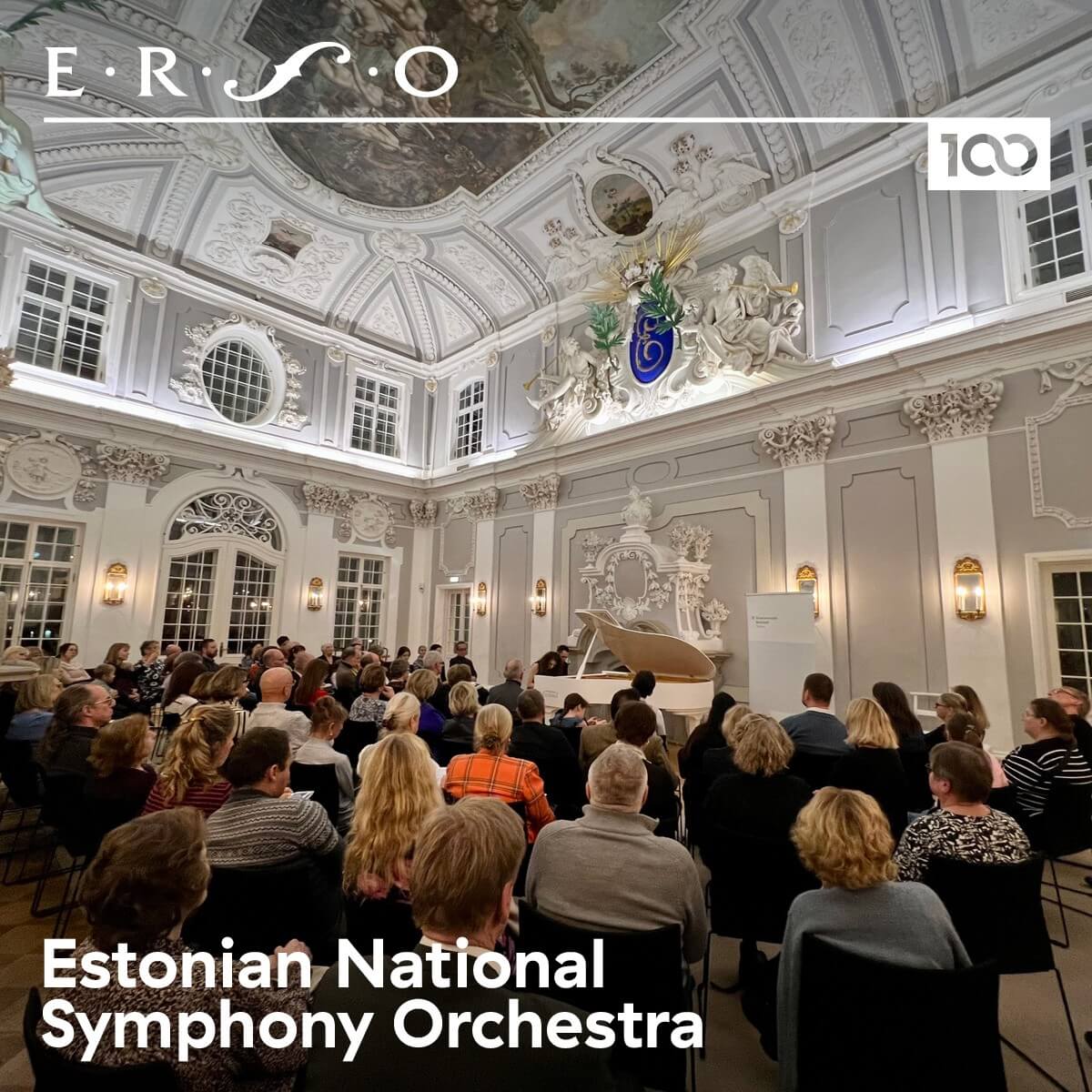
Kadriorg Palace is one the most well known and beautiful historic concert halls in Estonia offering memorable music experiences already for many decades. The tradition of performing music in the baroque palace goes back to 18th century when court music accompanied the daily life. The palace has had the pleasure to welcome many international artists and ensembles for outstanding performances.
The construction of the Kadriorg Palace was started by the Tsar Peter the Great of Russia in 1718. It was named Catharinenthal (in Estonian Kadriorg) in honour of his wife Catherine I. The palace was designed by the Italian architect Nicola Michetti and its abundantly decorated main hall is one of the most exquisite examples of baroque architecture both in Estonia and in northern Europe.
Kadriorg Palace has always been the crown jewel of Tallinn. The small festive tsars’ palace in the style of Roman Baroque, surrounded by a regular garden, with fountains, hedges and flowerbeds, planned after the model of Versailles.
The palace was a summer residence of Russian emperors untill 1917. In the 1920s, and again in 1946-1991 palace served as the main building of the Art Museum of Estonia. In the 1930s, it was the residence of the Head of State of the Estonian Republic. In 2000, it was opened as the Kadriorg Art Museum, which displays the largest collection of old Russian and Western European art in Estonia.
Music has been performed in the palace halls since the 18th century. In the past few decades, the most brilliant Estonian and international musicians have delighted listeners in the palace. Regular concerts started to take place in the Kadriorg Palace again in 2014, when the museum launched the Palace Music Concert Series. The extraordinary acoustics and the magnificent interior of the main hall make every concert a truly enjoyable artistic experience.
The artistic director of the Palace Music Concert Series is Aare Tammesalu.
In cooperation of the Art Museum of Estonia.
Tickets are on sale at the Kadriorg Art Museum and Piletikeskus outlets.
Supporters: Estonian Ministry of Culture, The Cultural Endowment of Estonia, Estonian Public Broadcasting, Tallinn Culture and Sports Department, UNESCO City of Music Tallinn, Kultuurikõla, Pointprint
Special thanks: Visit Estonia, Visit Tallinn, Õhtuleht
Event timeline/line-up

Related