
Floridante & Maria Valdmaa • Lossimuusika
Sunday, October 12, 2025 at 6 p.m.
Kadriorg Palace / Kadriorg Art Museum, Tallinn
PALACE MUSIC
Early Music Ensemble Floridante
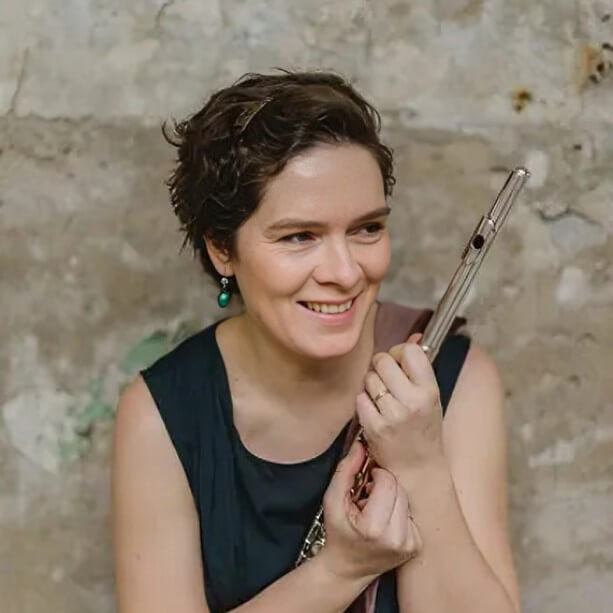
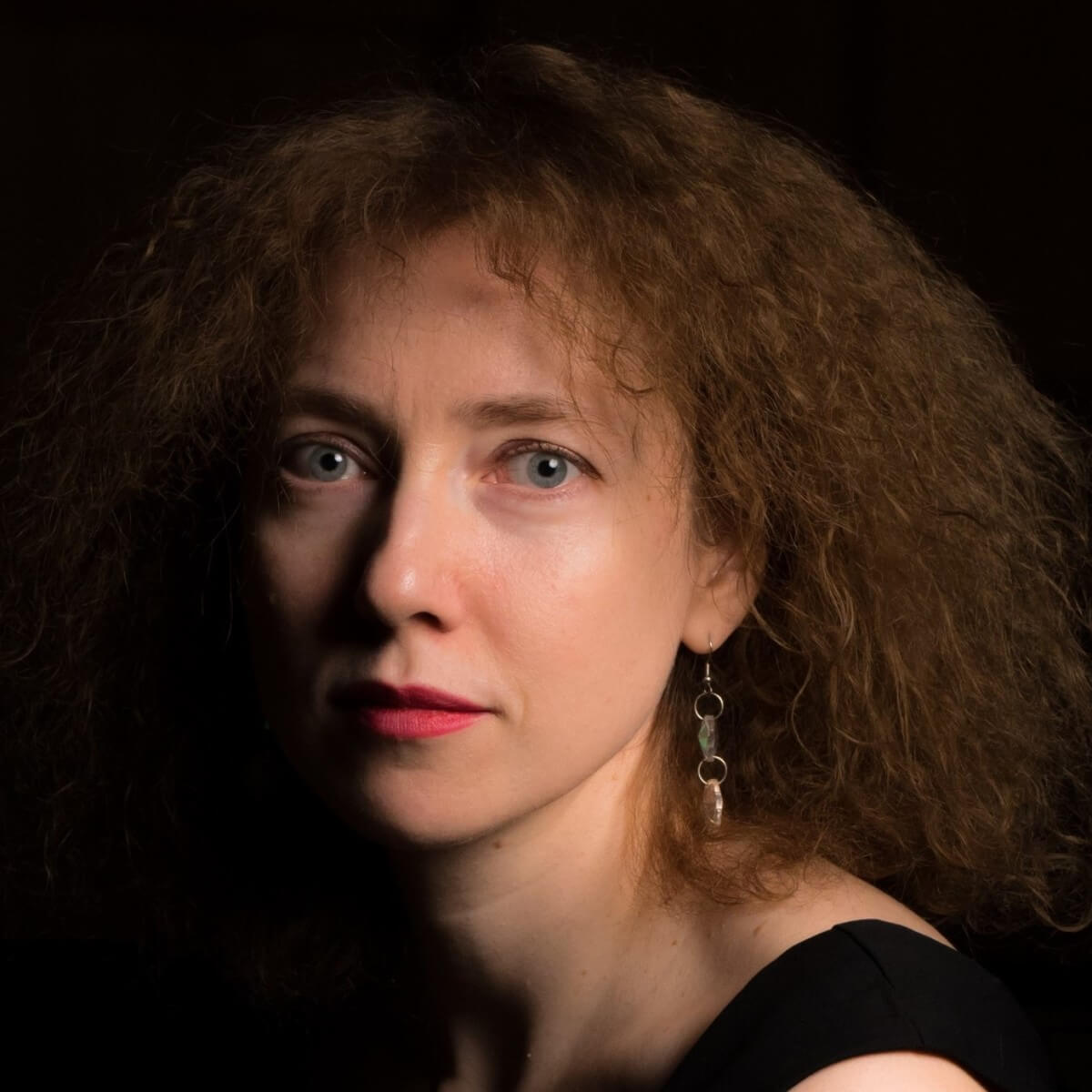
Maria Valdmaa - soprano
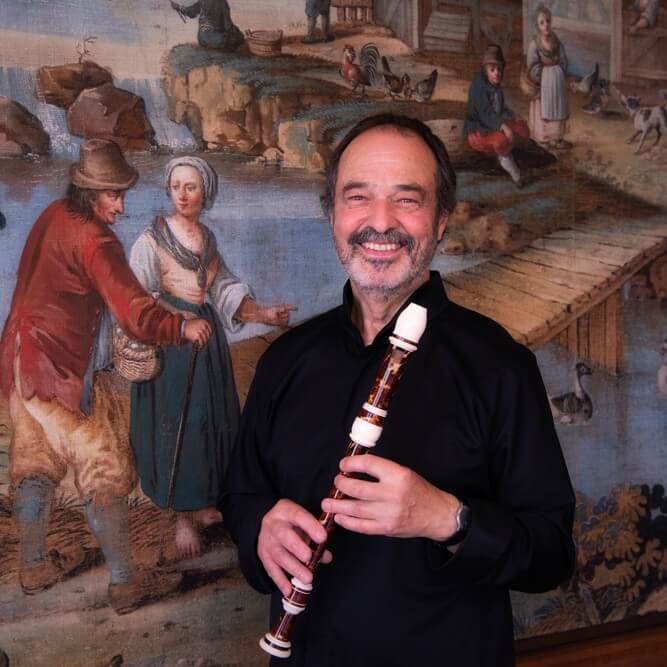
Riivo Kallasmaa - baroque oboeFederico Mechelli Uhl - baroque violinVillu Vihermäe - baroque celloSaale Fischer - harpsichordProgram:
Georg Friedrich Händel (1685-1759)
"German Arias" for soprano, obligato-instruments and basso continuole HWV 202-210Künft’ger Zeiten eitler Kummer
Das zitternde Glänzen der spielenden Wellen
Süßer Blumen Ambraflocken
Süße Stille
Singe, Seele, Gott zum Preise
Meine Seele hört im Sehen
Die ihr aus dunklen Grüften den eitlen Mammon grabt
In den angenehmen Büschen
Flammende Rose, Zierde der Erden
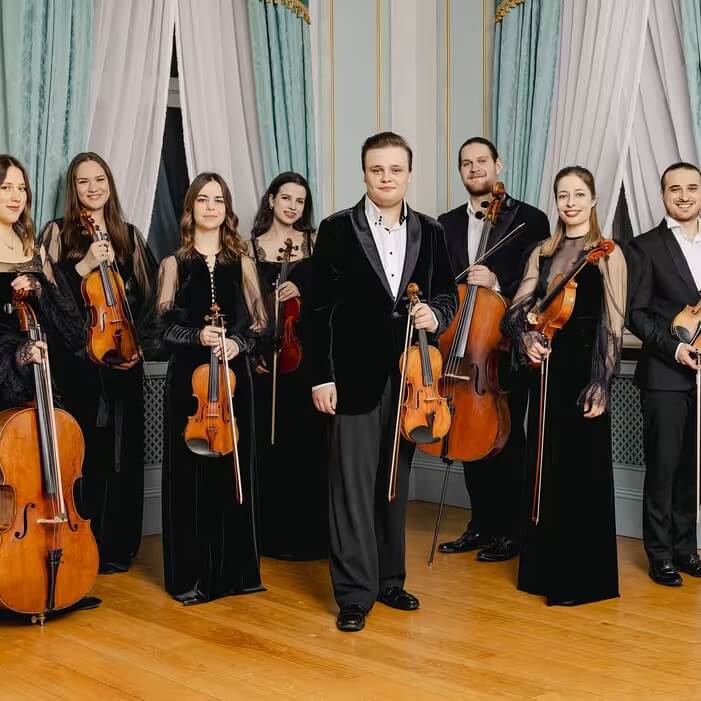
Estonian Early Music ensemble Floridante was founded in Tallinn in 2014. Grounded on two core members – harpsichordist Saale Fischer and viola da gamba and cello player Villu Vihermäe – Floridante’s line-up varies in accordance with the repertoire, reaching from Renaissance to premieres of contemporary pieces. Among others, a program of yet undiscovered Baltic-German lied-composers was undertaken in cooperation with the Estonian National Library.
Floridante involves a few dozen Estonian musicians with a passion for Early Music – in addition to various chamber formations, Floridante Baroque Orchestra was launched in 2020, and Floridante Consort vocal ensemble in 2021. Floridante regularly collaborates with Estonian vocal soloists such as sopranos Maria Valdmaa and Maria Listra, mezzo-sopranos Kadri Tegelmann and Tuuri Dede, baritone Alvar Tiisler, and oftentimes engages violinists Anthony Marini (US/FI), Aira Maria Lehtipuu (FI), and Peter Spissky (SK/DK).
Over the years, Floridante has gained a prominent position in the Estonian classical music scene and has been performing at numerous festivals in and out of its native country. Since 2015, Floridante is the ensemble-in-residence and collaborative partner at the Haapsalu Early Music Festival. In 2019, the debut CD “Amarilli mia bella” was released by Estonian Record Production, likewise, several Floridante concerts have been live-broadcasted or recorded by the Estonian National Broadcasting.
In 2022, Floridante premiered its program of ‘Estonian Baroque’ at the Usedomer Musikfestival (recorded by NDR) together with Marco Ambrosini (nyckelharpa). In 2023, Floridante participated in the production of Claudio Monteverdi’s lost opera “Arianna”, reconstructed by Andrew Lawrence-King and performed alongside the Estonian Philharmonic Chamber Choir. In the same year, Floridante launched a long-term project “Estonian miniatures”, commissioning works by Estonian composers for historical instruments.
The highlights of 2024 include crossover production “Re-Sound Love” alongside hiphop artist Genka and DJ Paul Oja, a recording session with tenor Guy Cutting and baritone Alvar Tiisler for Brilliant Classics, performances of commissioned pieces for historical instruments by Estonian composers Ardo Ran Varres, Evelin Seppar, Märt-Matis Lill, Mingo Rajandi, and participation in several festivals in Estonia, Latvia, Israel, Finland, and Poland.
Floridante is a member of the Estonian Music Council and Music Estonia.
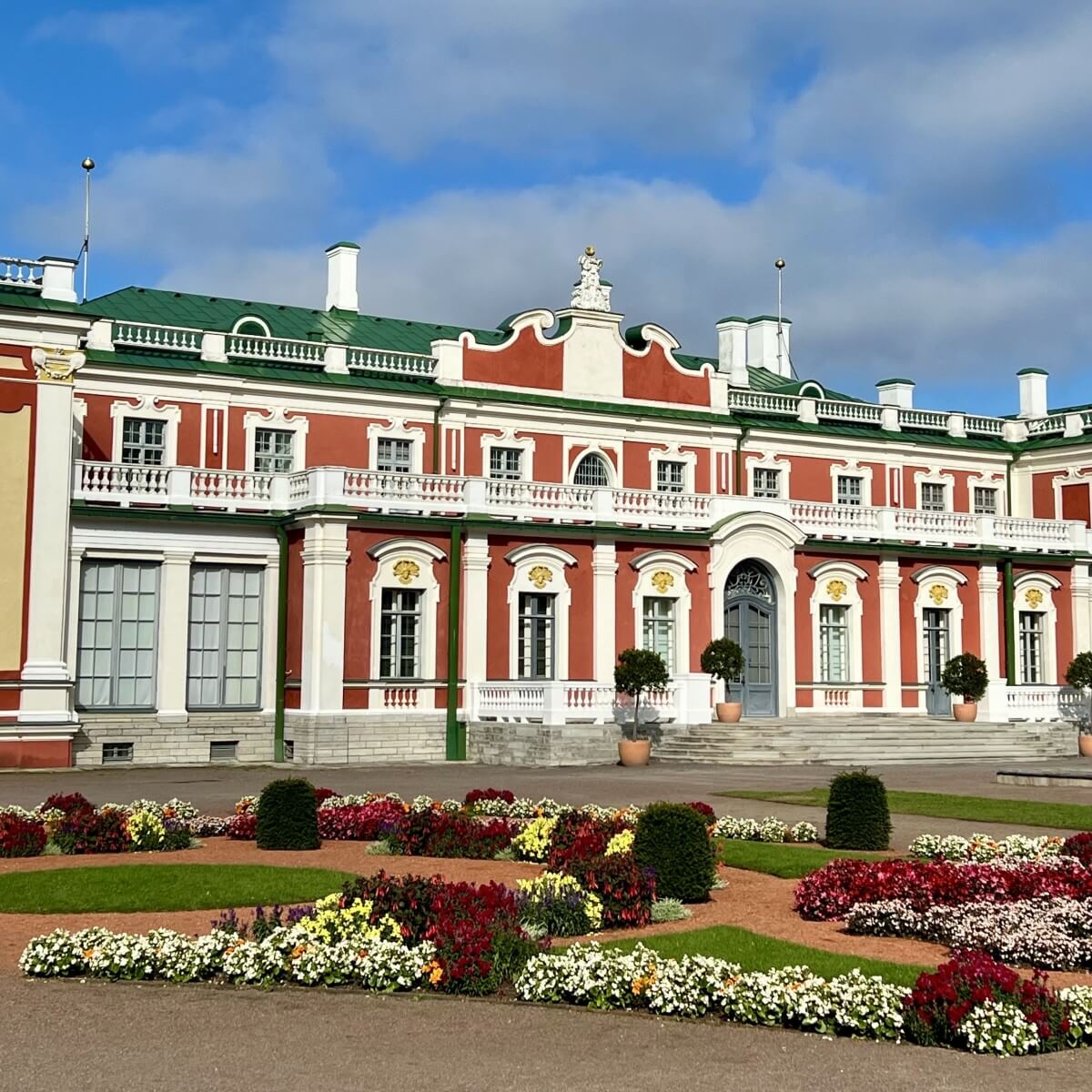
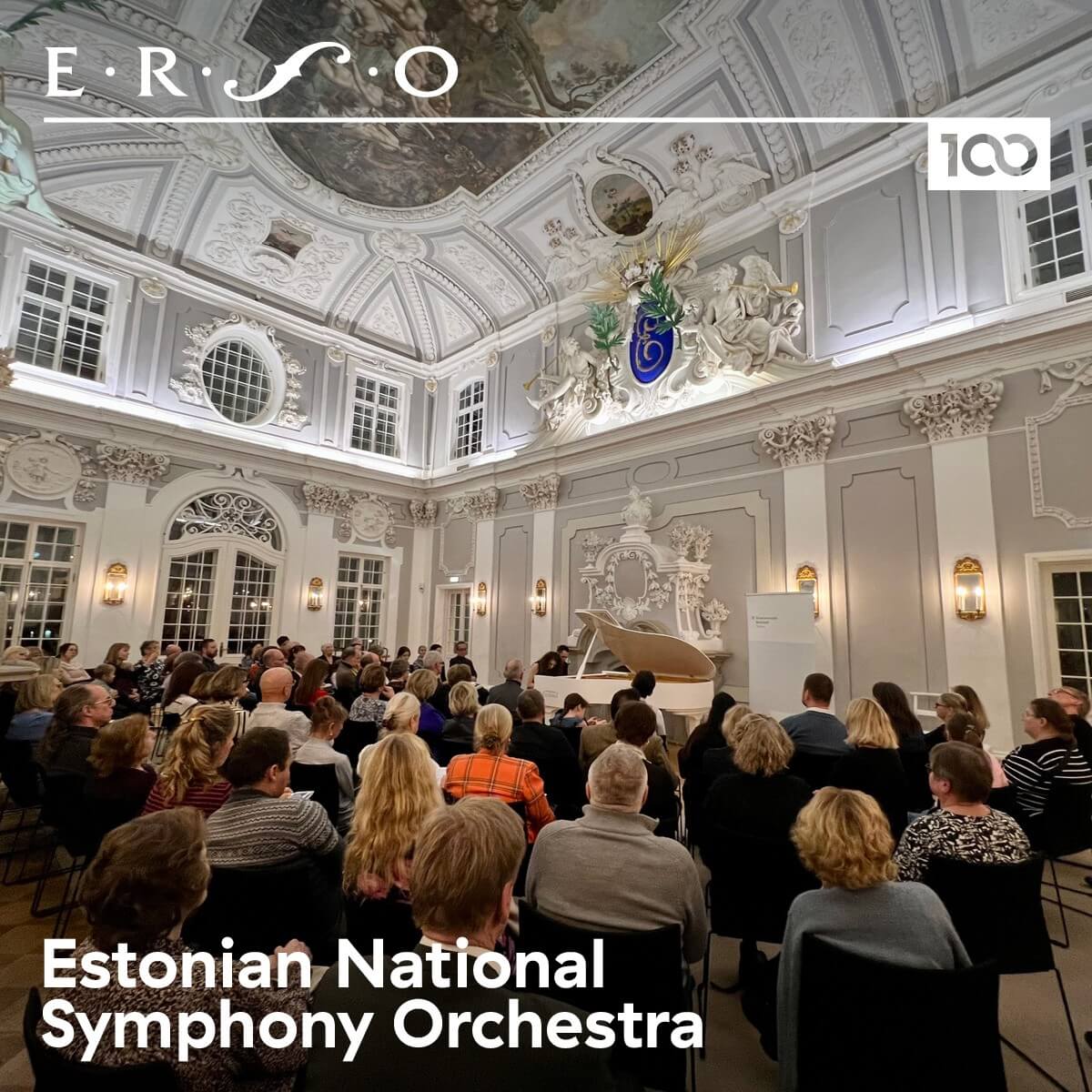
Kadriorg Palace is one the most well known and beautiful historic concert halls in Estonia offering memorable music experiences already for many decades. The tradition of performing music in the baroque palace goes back to 18th century when court music accompanied the daily life. The palace has had the pleasure to welcome many international artists and ensembles for outstanding performances.
The construction of the Kadriorg Palace was started by the Tsar Peter the Great of Russia in 1718. It was named Catharinenthal (in Estonian Kadriorg) in honour of his wife Catherine I. The palace was designed by the Italian architect Nicola Michetti and its abundantly decorated main hall is one of the most exquisite examples of baroque architecture both in Estonia and in northern Europe.
Kadriorg Palace has always been the crown jewel of Tallinn. The small festive tsars’ palace in the style of Roman Baroque, surrounded by a regular garden, with fountains, hedges and flowerbeds, planned after the model of Versailles.
The palace was a summer residence of Russian emperors untill 1917. In the 1920s, and again in 1946-1991 palace served as the main building of the Art Museum of Estonia. In the 1930s, it was the residence of the Head of State of the Estonian Republic. In 2000, it was opened as the Kadriorg Art Museum, which displays the largest collection of old Russian and Western European art in Estonia.
Music has been performed in the palace halls since the 18th century. In the past few decades, the most brilliant Estonian and international musicians have delighted listeners in the palace. Regular concerts started to take place in the Kadriorg Palace again in 2014, when the museum launched the Palace Music Concert Series. The extraordinary acoustics and the magnificent interior of the main hall make every concert a truly enjoyable artistic experience.
The artistic director of the Palace Music Concert Series is Aare Tammesalu.
In cooperation of the Art Museum of Estonia.
Tickets are on sale at the Kadriorg Art Museum and Piletikeskus outlets.
Supporters: Estonian Ministry of Culture, The Cultural Endowment of Estonia, Estonian Public Broadcasting, Tallinn Culture and Sports Department, UNESCO City of Music Tallinn, Kultuurikõla, Pointprint
Special thanks: Visit Estonia, Visit Tallinn, Õhtuleht
Event timeline/line-up

Related